The cello, a member of the violin family, boasts a rich history that traces back to the 16th century. Originating in Italy, it evolved from earlier string instruments like the viola da gamba. With its distinctive deep and mellow sound, the cello plays a pivotal role in orchestras and ensembles, often serving as the harmonic and rhythmic foundation. At about 48 inches in height, it is much larger than the violin and viola, requiring the cellist to play it while seated, with the instrument between the knees. The cello has four strings, tuned an octave lower than the viola, which contributes to its warm, sonorous tone. According to a 2021 survey, approximately 1.5% of Americans play the cello, a significant increase from previous decades. This rise in interest is partly attributed to the instrument's versatility, as it's found in classical, jazz, and even rock music. One intriguing aspect of the cello is its use in solo performances. Unlike other string instruments predominantly used in ensembles, the cello has a vast solo repertoire, with compositions by renowned composers like Bach, Elgar, and Dvořák. The cello’s influence extends beyond classical music; it has been incorporated into modern genres, resonating with audiences worldwide. Its ability to mimic the human voice and evoke deep emotions makes it a unique and cherished instrument. More: https://en.wikipedia.org/wiki/Cello. Art by Dall-E, Text modified from ChatGPT.
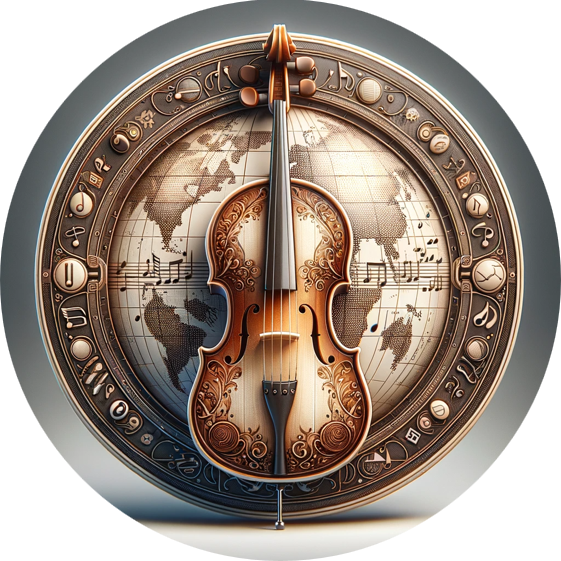
The cello, a member of the violin family, boasts a rich history that traces back to the 16th century. Originating in Italy, it evolved from earlier string instruments like the viola da gamba. With its distinctive deep and mellow sound, the cello plays a pivotal role in orchestras and ensembles, often serving as the harmonic and rhythmic foundation. At about 48 inches in height, it is much larger than the violin and viola, requiring the cellist to play it while seated, with the instrument between the knees. The cello has four strings, tuned an octave lower than the viola, which contributes to its warm, sonorous tone. According to a 2021 survey, approximately 1.5% of Americans play the cello, a significant increase from previous decades. This rise in interest is partly attributed to the instrument's versatility, as it's found in classical, jazz, and even rock music. One intriguing aspect of the cello is its use in solo performances. Unlike other string instruments predominantly used in ensembles, the cello has a vast solo repertoire, with compositions by renowned composers like Bach, Elgar, and Dvořák. The cello’s influence extends beyond classical music; it has been incorporated into modern genres, resonating with audiences worldwide. Its ability to mimic the human voice and evoke deep emotions makes it a unique and cherished instrument. More: https://en.wikipedia.org/wiki/Cello. Art by Dall-E, Text modified from ChatGPT.
The cello, a member of the violin family, boasts a rich history that traces back to the 16th century. Originating in Italy, it evolved from earlier string instruments like the viola da gamba. With its distinctive deep and mellow sound, the cello plays a pivotal role in orchestras and ensembles, often serving as the harmonic and rhythmic foundation. At about 48 inches in height, it is much larger than the violin and viola, requiring the cellist to play it while seated, with the instrument between the knees. The cello has four strings, tuned an octave lower than the viola, which contributes to its warm, sonorous tone. According to a 2021 survey, approximately 1.5% of Americans play the cello, a significant increase from previous decades. This rise in interest is partly attributed to the instrument's versatility, as it's found in classical, jazz, and even rock music. One intriguing aspect of the cello is its use in solo performances. Unlike other string instruments predominantly used in ensembles, the cello has a vast solo repertoire, with compositions by renowned composers like Bach, Elgar, and Dvořák. The cello’s influence extends beyond classical music; it has been incorporated into modern genres, resonating with audiences worldwide. Its ability to mimic the human voice and evoke deep emotions makes it a unique and cherished instrument. More: https://en.wikipedia.org/wiki/Cello. Art by Dall-E, Text modified from ChatGPT.
The cello, a member of the violin family, boasts a rich history that traces back to the 16th century. Originating in Italy, it evolved from earlier string instruments like the viola da gamba. With its distinctive deep and mellow sound, the cello plays a pivotal role in orchestras and ensembles, often serving as the harmonic and rhythmic foundation. At about 48 inches in height, it is much larger than the violin and viola, requiring the cellist to play it while seated, with the instrument between the knees. The cello has four strings, tuned an octave lower than the viola, which contributes to its warm, sonorous tone. According to a 2021 survey, approximately 1.5% of Americans play the cello, a significant increase from previous decades. This rise in interest is partly attributed to the instrument's versatility, as it's found in classical, jazz, and even rock music. One intriguing aspect of the cello is its use in solo performances. Unlike other string instruments predominantly used in ensembles, the cello has a vast solo repertoire, with compositions by renowned composers like Bach, Elgar, and Dvořák. The cello’s influence extends beyond classical music; it has been incorporated into modern genres, resonating with audiences worldwide. Its ability to mimic the human voice and evoke deep emotions makes it a unique and cherished instrument. More: https://en.wikipedia.org/wiki/Cello. Art by Dall-E, Text modified from ChatGPT.
The cello, a member of the violin family, boasts a rich history that traces back to the 16th century. Originating in Italy, it evolved from earlier string instruments like the viola da gamba. With its distinctive deep and mellow sound, the cello plays a pivotal role in orchestras and ensembles, often serving as the harmonic and rhythmic foundation. At about 48 inches in height, it is much larger than the violin and viola, requiring the cellist to play it while seated, with the instrument between the knees. The cello has four strings, tuned an octave lower than the viola, which contributes to its warm, sonorous tone. According to a 2021 survey, approximately 1.5% of Americans play the cello, a significant increase from previous decades. This rise in interest is partly attributed to the instrument's versatility, as it's found in classical, jazz, and even rock music. One intriguing aspect of the cello is its use in solo performances. Unlike other string instruments predominantly used in ensembles, the cello has a vast solo repertoire, with compositions by renowned composers like Bach, Elgar, and Dvořák. The cello’s influence extends beyond classical music; it has been incorporated into modern genres, resonating with audiences worldwide. Its ability to mimic the human voice and evoke deep emotions makes it a unique and cherished instrument. More: https://en.wikipedia.org/wiki/Cello. Art by Dall-E, Text modified from ChatGPT.
The cello, a member of the violin family, boasts a rich history that traces back to the 16th century. Originating in Italy, it evolved from earlier string instruments like the viola da gamba. With its distinctive deep and mellow sound, the cello plays a pivotal role in orchestras and ensembles, often serving as the harmonic and rhythmic foundation. At about 48 inches in height, it is much larger than the violin and viola, requiring the cellist to play it while seated, with the instrument between the knees. The cello has four strings, tuned an octave lower than the viola, which contributes to its warm, sonorous tone. According to a 2021 survey, approximately 1.5% of Americans play the cello, a significant increase from previous decades. This rise in interest is partly attributed to the instrument's versatility, as it's found in classical, jazz, and even rock music. One intriguing aspect of the cello is its use in solo performances. Unlike other string instruments predominantly used in ensembles, the cello has a vast solo repertoire, with compositions by renowned composers like Bach, Elgar, and Dvořák. The cello’s influence extends beyond classical music; it has been incorporated into modern genres, resonating with audiences worldwide. Its ability to mimic the human voice and evoke deep emotions makes it a unique and cherished instrument. More: https://en.wikipedia.org/wiki/Cello. Art by Dall-E, Text modified from ChatGPT.
The cello, a member of the violin family, boasts a rich history that traces back to the 16th century. Originating in Italy, it evolved from earlier string instruments like the viola da gamba. With its distinctive deep and mellow sound, the cello plays a pivotal role in orchestras and ensembles, often serving as the harmonic and rhythmic foundation. At about 48 inches in height, it is much larger than the violin and viola, requiring the cellist to play it while seated, with the instrument between the knees. The cello has four strings, tuned an octave lower than the viola, which contributes to its warm, sonorous tone. According to a 2021 survey, approximately 1.5% of Americans play the cello, a significant increase from previous decades. This rise in interest is partly attributed to the instrument's versatility, as it's found in classical, jazz, and even rock music. One intriguing aspect of the cello is its use in solo performances. Unlike other string instruments predominantly used in ensembles, the cello has a vast solo repertoire, with compositions by renowned composers like Bach, Elgar, and Dvořák. The cello’s influence extends beyond classical music; it has been incorporated into modern genres, resonating with audiences worldwide. Its ability to mimic the human voice and evoke deep emotions makes it a unique and cherished instrument. More: https://en.wikipedia.org/wiki/Cello. Art by Dall-E, Text modified from ChatGPT.
The cello, a member of the violin family, boasts a rich history that traces back to the 16th century. Originating in Italy, it evolved from earlier string instruments like the viola da gamba. With its distinctive deep and mellow sound, the cello plays a pivotal role in orchestras and ensembles, often serving as the harmonic and rhythmic foundation. At about 48 inches in height, it is much larger than the violin and viola, requiring the cellist to play it while seated, with the instrument between the knees. The cello has four strings, tuned an octave lower than the viola, which contributes to its warm, sonorous tone. According to a 2021 survey, approximately 1.5% of Americans play the cello, a significant increase from previous decades. This rise in interest is partly attributed to the instrument's versatility, as it's found in classical, jazz, and even rock music. One intriguing aspect of the cello is its use in solo performances. Unlike other string instruments predominantly used in ensembles, the cello has a vast solo repertoire, with compositions by renowned composers like Bach, Elgar, and Dvořák. The cello’s influence extends beyond classical music; it has been incorporated into modern genres, resonating with audiences worldwide. Its ability to mimic the human voice and evoke deep emotions makes it a unique and cherished instrument. More: https://en.wikipedia.org/wiki/Cello. Art by Dall-E, Text modified from ChatGPT.
The cello, a member of the violin family, boasts a rich history that traces back to the 16th century. Originating in Italy, it evolved from earlier string instruments like the viola da gamba. With its distinctive deep and mellow sound, the cello plays a pivotal role in orchestras and ensembles, often serving as the harmonic and rhythmic foundation. At about 48 inches in height, it is much larger than the violin and viola, requiring the cellist to play it while seated, with the instrument between the knees. The cello has four strings, tuned an octave lower than the viola, which contributes to its warm, sonorous tone. According to a 2021 survey, approximately 1.5% of Americans play the cello, a significant increase from previous decades. This rise in interest is partly attributed to the instrument's versatility, as it's found in classical, jazz, and even rock music. One intriguing aspect of the cello is its use in solo performances. Unlike other string instruments predominantly used in ensembles, the cello has a vast solo repertoire, with compositions by renowned composers like Bach, Elgar, and Dvořák. The cello’s influence extends beyond classical music; it has been incorporated into modern genres, resonating with audiences worldwide. Its ability to mimic the human voice and evoke deep emotions makes it a unique and cherished instrument. More: https://en.wikipedia.org/wiki/Cello. Art by Dall-E, Text modified from ChatGPT.
The cello, a member of the violin family, boasts a rich history that traces back to the 16th century. Originating in Italy, it evolved from earlier string instruments like the viola da gamba. With its distinctive deep and mellow sound, the cello plays a pivotal role in orchestras and ensembles, often serving as the harmonic and rhythmic foundation. At about 48 inches in height, it is much larger than the violin and viola, requiring the cellist to play it while seated, with the instrument between the knees. The cello has four strings, tuned an octave lower than the viola, which contributes to its warm, sonorous tone. According to a 2021 survey, approximately 1.5% of Americans play the cello, a significant increase from previous decades. This rise in interest is partly attributed to the instrument's versatility, as it's found in classical, jazz, and even rock music. One intriguing aspect of the cello is its use in solo performances. Unlike other string instruments predominantly used in ensembles, the cello has a vast solo repertoire, with compositions by renowned composers like Bach, Elgar, and Dvořák. The cello’s influence extends beyond classical music; it has been incorporated into modern genres, resonating with audiences worldwide. Its ability to mimic the human voice and evoke deep emotions makes it a unique and cherished instrument. More: https://en.wikipedia.org/wiki/Cello. Art by Dall-E, Text modified from ChatGPT.